8221 Glades Road, Suite 4, Boca Raton, FL 33434
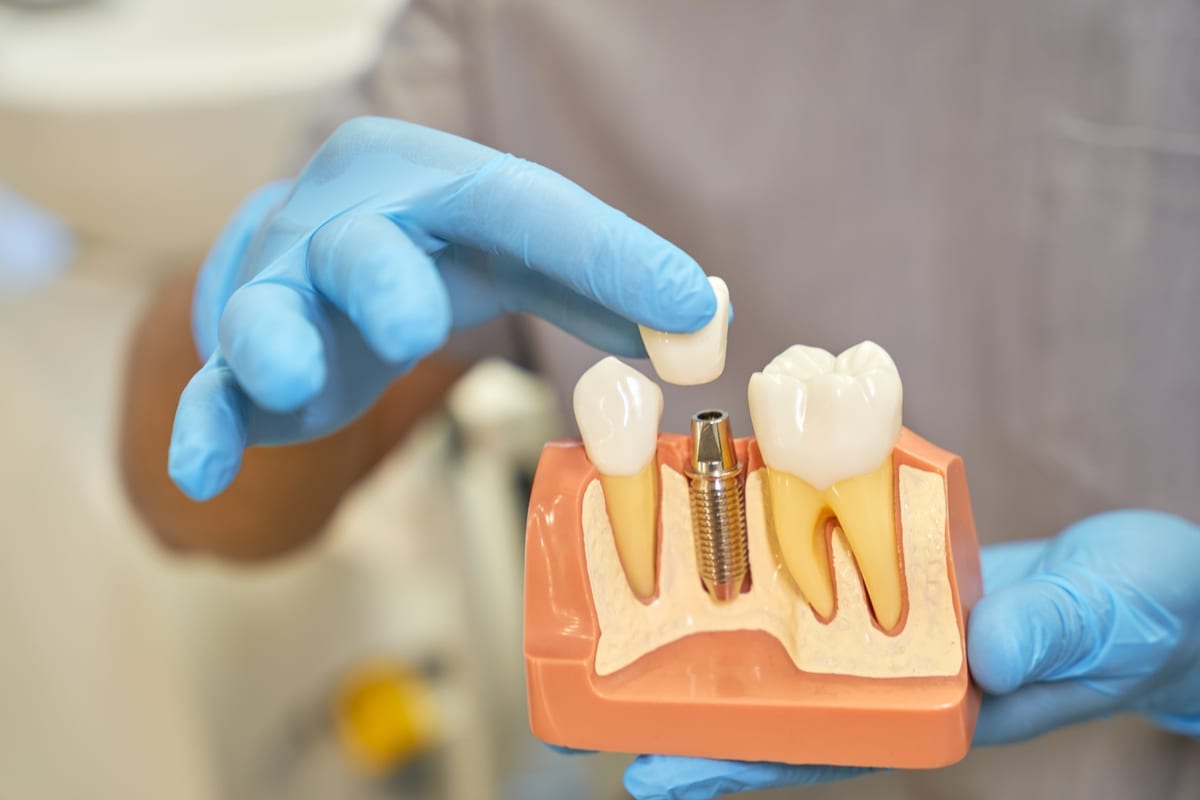
If you are considering All-On-4 Implants in Boca Raton, longevity is probably your biggest question. Will they truly last a lifetime? The short answer is: they can. But several important factors determine whether your implants reach that milestone. Dr. Gary Salamon and the team at Glades Dental Group help Boca Raton patients understand exactly what makes these restorations last — and what can cut that lifespan short.
How Long Do All-On-4 Implants Actually Last in Boca Raton?
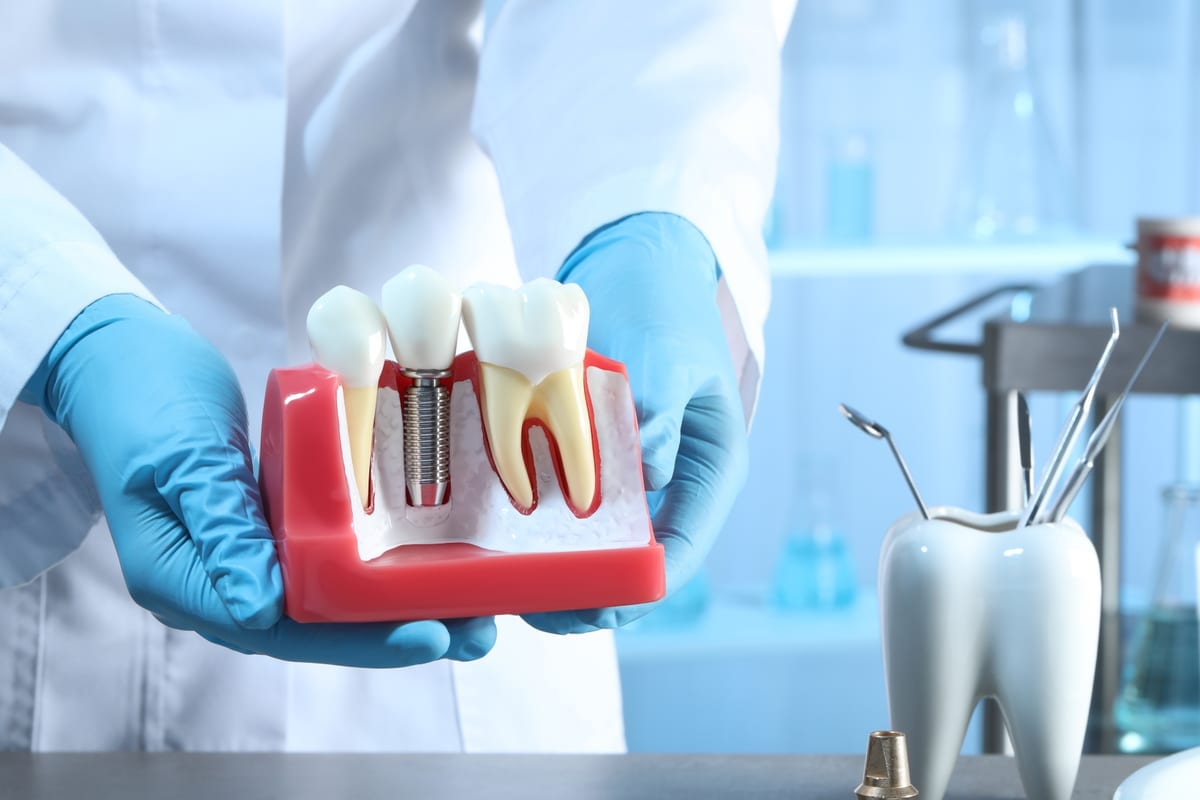
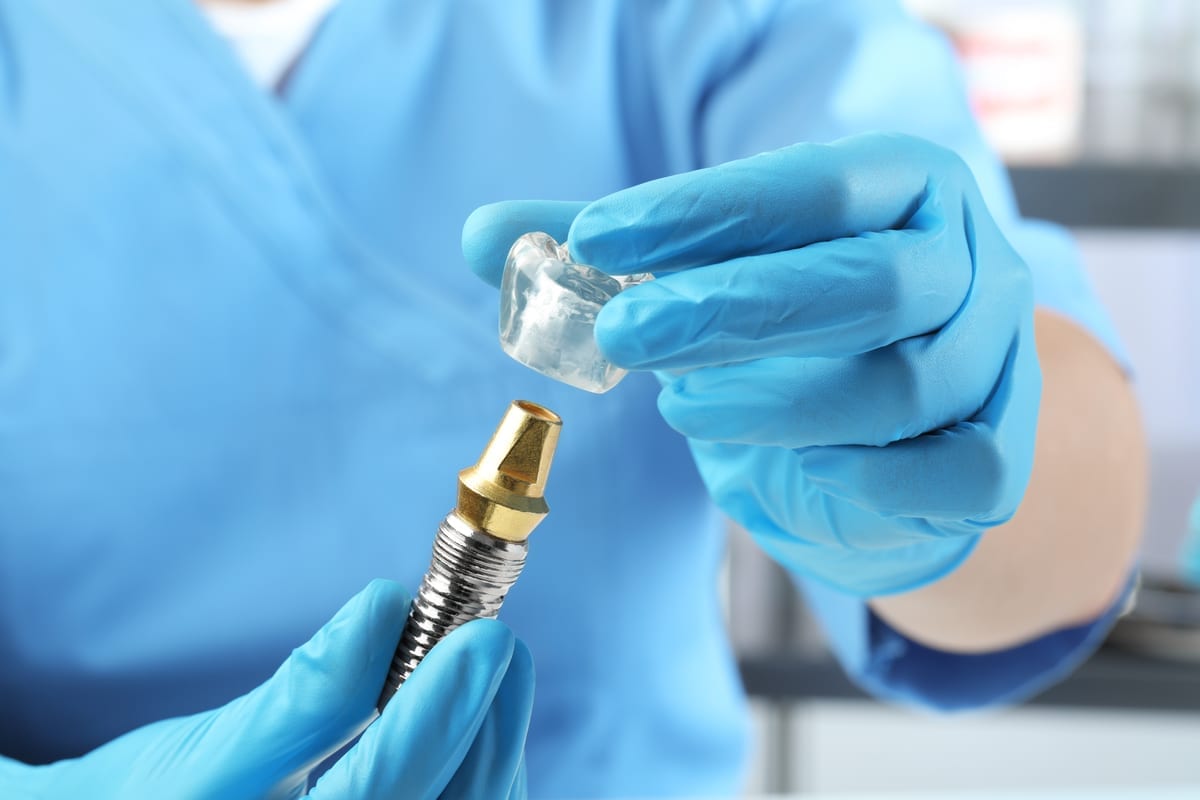
All-On-4 Implants are designed for long-term use. Clinical studies show implant survival rates above 95% at ten years when patients follow proper care routines. The titanium posts that anchor the arch fuse directly with your jawbone in a process called osseointegration. This bond can remain stable for decades — or even a lifetime.
The prosthetic arch attached to the implants has a different lifespan. Most arches need replacement or refinishing every 10 to 15 years due to normal wear. Think of it like a car engine versus its tires. The implant posts are the engine — built to last. The arch is like the tires — durable, but eventually needing attention.
For Boca Raton patients specifically, Dr. Gary Salamon tailors treatment to local lifestyle factors. Outdoor living, diet habits, and even Florida’s humidity can subtly affect oral health. Understanding these regional factors helps set realistic, informed expectations.
Factors That Can Shorten the Lifespan of Your Implants
Not every patient achieves a lifetime outcome. Certain habits and health conditions significantly raise the risk of implant failure. Awareness is your first line of defense.
Here are the most common factors that shorten implant longevity:
- Smoking or tobacco use — Reduces blood flow and dramatically slows healing after surgery
- Uncontrolled diabetes — Impairs tissue healing and increases infection risk around the implant site
- Poor oral hygiene — Allows bacteria to build up, causing peri-implantitis (implant gum disease)
- Bone loss — Insufficient jawbone density weakens the structural foundation of the implants
- Teeth grinding (bruxism) — Places excessive force on the prosthetic arch and titanium posts
- Skipping dental checkups — Misses early warning signs that are easily treated when caught quickly
Many of these risks are manageable. Dr. Salamon screens for all of them before placing implants. Addressing them early gives your implants the best possible start.
What You Can Do to Make Your All-On-4 Implants Last Longer
The good news is that most patients have real control over implant longevity. Daily habits and regular professional care make an enormous difference. Think of your implants as a long-term investment that rewards consistent attention.
Follow these proven strategies to extend implant lifespan:
- Brush twice daily using a soft-bristle brush designed for implant prosthetics
- Use a water flosser to clean beneath the arch where traditional floss cannot reach
- Attend professional cleanings every six months at minimum — implants still collect harmful biofilm
- Wear a nightguard if you grind your teeth, even occasionally
- Avoid very hard foods like ice or hard candy that can stress the prosthetic arch
- Quit smoking — this single change dramatically improves long-term outcomes
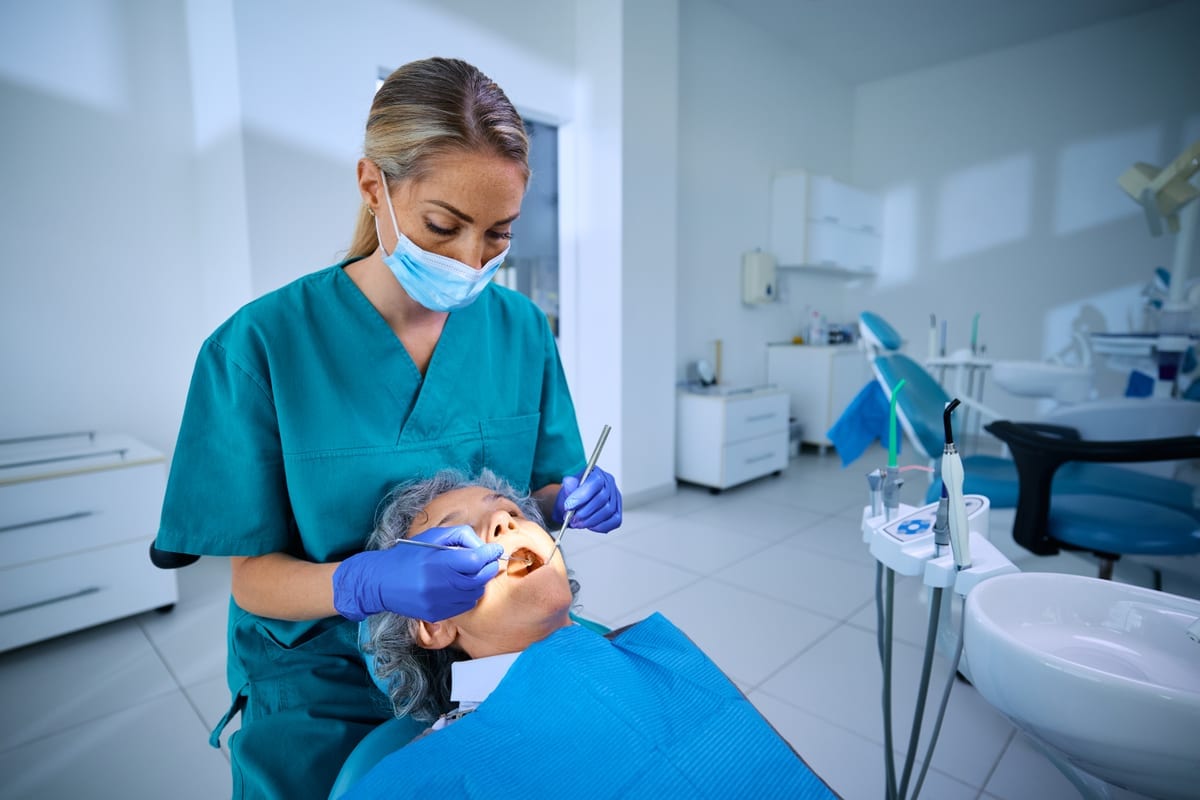
Routine General Dentistry Boca Raton visits are essential throughout the life of your implants. Dr. Salamon monitors bone levels, checks the integrity of the arch, and catches minor issues before they become major ones. These visits are not optional — they are part of what makes All-On-4 implants a lifetime solution.
The Role of Bone Health in All-On-4 Longevity
Bone health is the foundation — literally — of lasting implants. The titanium posts must remain fully integrated with healthy jawbone to stay secure. If bone volume decreases over time, implant stability weakens.
Interestingly, All-On-4 Implants actually help preserve jawbone. When natural teeth are missing, the jaw begins to shrink because it receives no stimulation. Implant posts replicate tooth root pressure during chewing. This pressure signals the body to maintain bone density in that area.
However, conditions like periodontal disease or prolonged tooth loss before implant placement can compromise available bone. Dr. Salamon performs thorough imaging at Glades Dental Group to assess bone quality before every case. When bone is insufficient, grafting options can prepare the site for successful placement.
Patients who act promptly after tooth loss tend to preserve more bone. If you have recently lost teeth or are currently wearing dentures, timing matters. Early consultation gives you the best chance at a strong, lasting outcome.
What Happens If Something Goes Wrong?
Even with the best care, complications can occasionally occur. Knowing what to watch for helps you respond quickly. Early intervention almost always leads to better outcomes.
Signs that need prompt attention include sudden pain around an implant, swelling, loosening of the arch, or any visible changes to the gum tissue. Do not wait for a scheduled checkup if these appear. If you experience an acute issue, Emergency Dentistry Boca Raton services at Glades Dental Group are available to address urgent implant concerns quickly and effectively.
Peri-implantitis is the most common long-term threat. It is a bacterial infection affecting the tissue and bone around the implant. When caught early, it responds well to professional cleaning and targeted treatment. Left untreated, it can lead to bone loss and implant failure. Regular monitoring is the best prevention.
Is a Lifetime Outcome Realistic for Boca Raton Patients?
Yes — a lifetime outcome is genuinely achievable for many patients. Research supports it. Clinical experience at practices like Glades Dental Group confirms it. The key is approaching All-On-4 Implants as a partnership between patient and provider.
Dr. Gary Salamon brings extensive experience in full-arch implant cases to every Boca Raton patient. He combines precise surgical technique with thorough follow-up care. This comprehensive approach gives implants the greatest chance of remaining stable, comfortable, and functional for life.
Patients who stay engaged — attending checkups, maintaining hygiene, and communicating any changes — consistently achieve the best long-term results. You are not just a procedure here. You are a long-term patient relationship that Dr. Salamon takes seriously.
If you are ready to explore whether All-On-4 Implants are right for you, take the first step today. Book Now to schedule your appointment with our team.
Frequently Asked Questions
How long do All-On-4 Implants typically last?
The titanium implant posts can last a lifetime with proper care. The prosthetic arch attached to them generally lasts 10 to 15 years before needing replacement or refinishing due to normal wear.
Can All-On-4 Implants fail after many years?
Yes, late failure is possible but uncommon when patients follow recommended care routines. Peri-implantitis, bone loss, and significant health changes are the most common late-stage risks. Regular professional monitoring helps detect and address these issues early.
Do I still need dental checkups after getting All-On-4 Implants?
Absolutely. Routine dental visits every six months are essential for cleaning around the implants, checking bone levels, and ensuring the prosthetic arch remains in good condition. Skipping these visits significantly increases the risk of complications.
Will my jawbone continue to shrink after All-On-4 placement?
All-On-4 Implants actually help preserve jawbone by mimicking the stimulation natural tooth roots provide. Bone shrinkage that typically follows tooth loss is significantly reduced once implants are in place and properly integrated.
What should I do if I notice pain or looseness around my implants?
Contact your dental provider promptly. Do not wait for your next scheduled checkup. Sudden pain, swelling, or movement in the arch can signal an early complication that responds much better to treatment when addressed quickly.