8221 Glades Road, Suite 4, Boca Raton, FL 33434
Many patients in Sandalfoot Cove ask the same important question: do dental implants really last a lifetime? It is one of the most common concerns we hear at Glades Dental Group – Boca Raton. The short answer is — they can. But the full answer depends on several key factors that every patient should understand before choosing implants.
Dental implants are designed to be a permanent solution for missing teeth. With proper care, many implants last 25 years or longer. Some patients keep their implants for life without any major complications.
How Long Do Dental Implants Actually Last in Sandalfoot Cove?
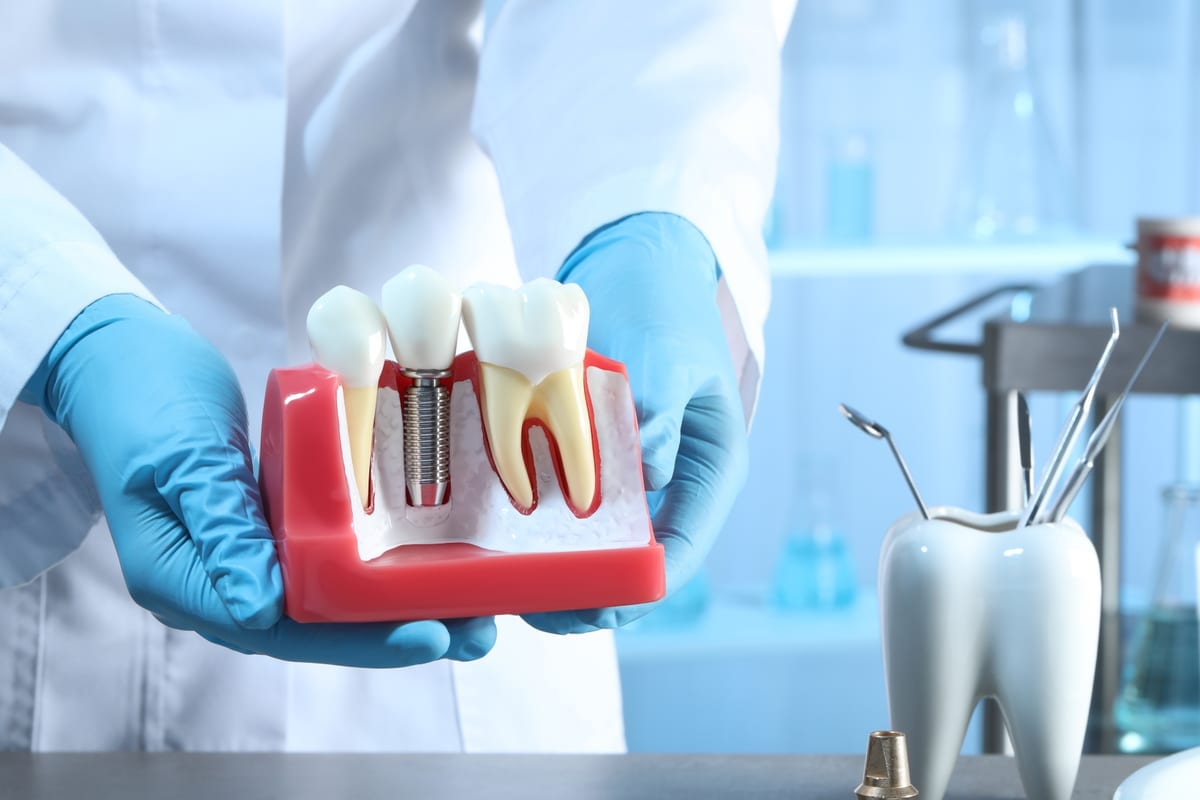
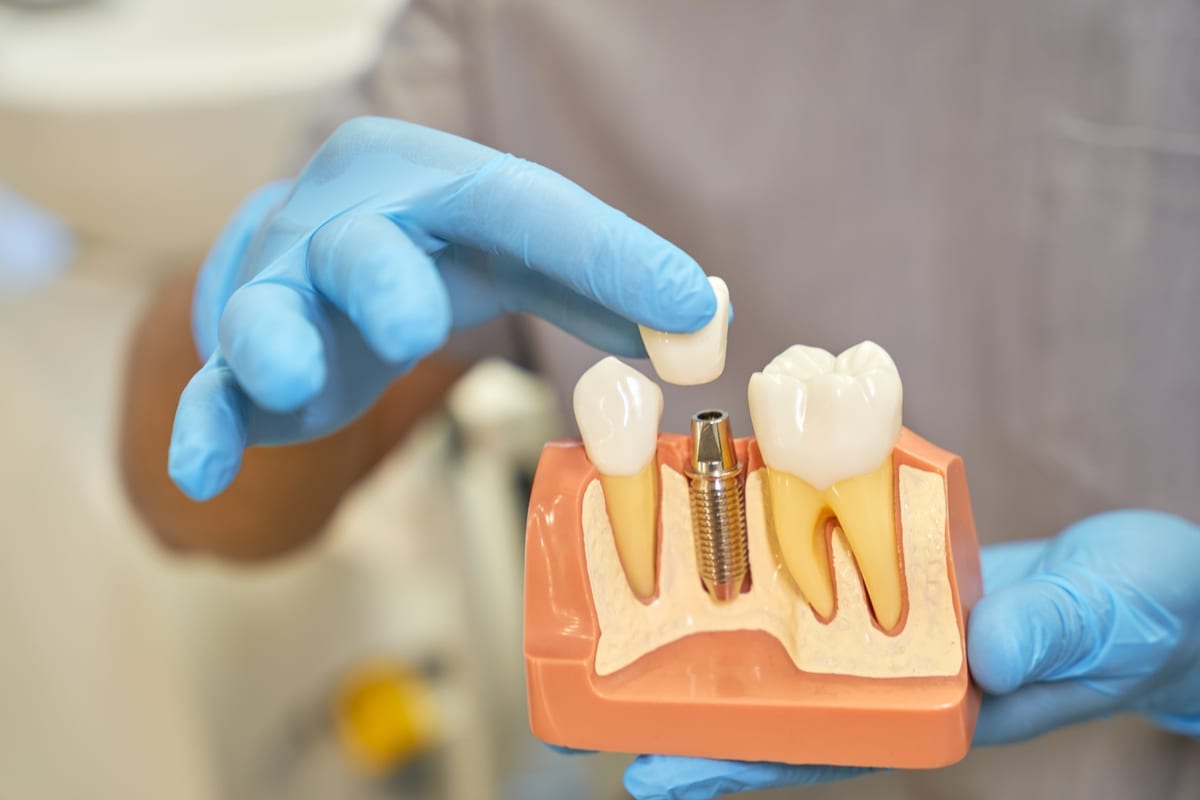
Studies show that dental implants have a success rate of over 95% at the 10-year mark. Many implants continue to function well beyond 20 or 30 years. The implant post itself — which fuses to your jawbone — is often the most durable component.
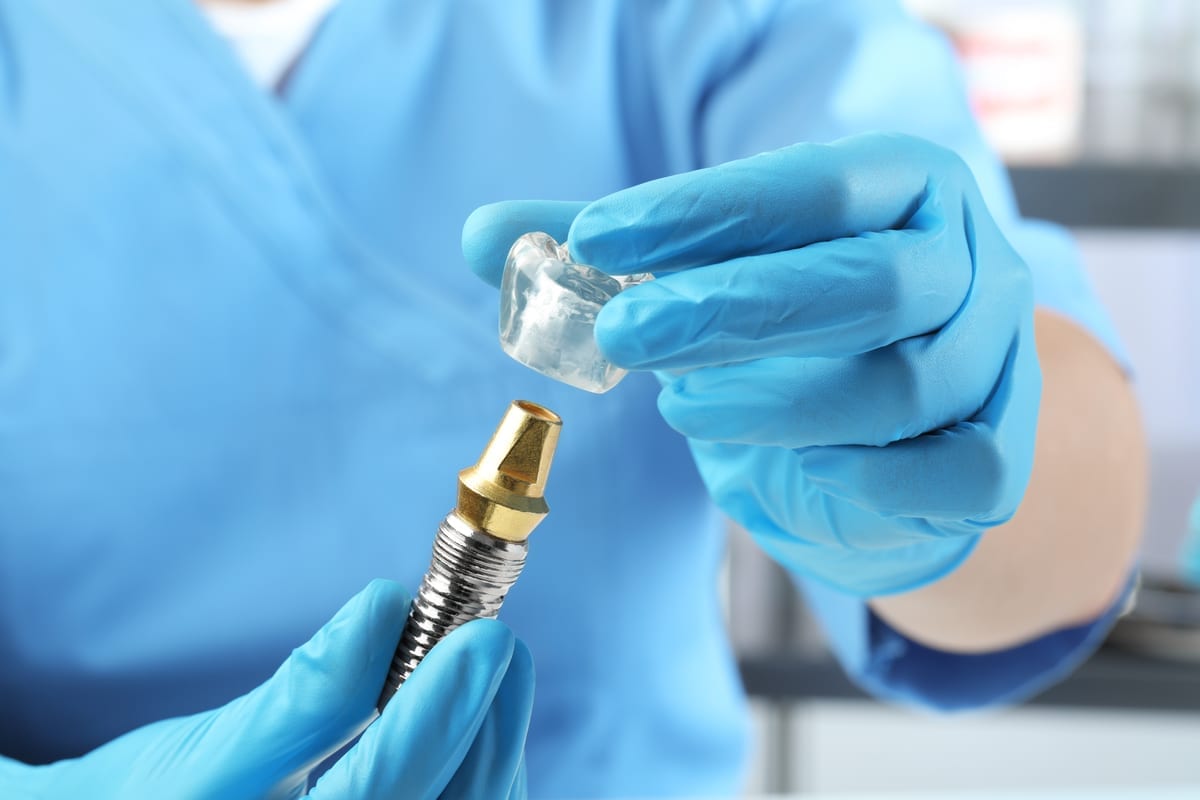
The crown attached to the implant may need replacement over time. Crowns typically last 10 to 15 years before showing wear. However, the underlying implant structure usually remains intact and healthy throughout a patient’s lifetime.
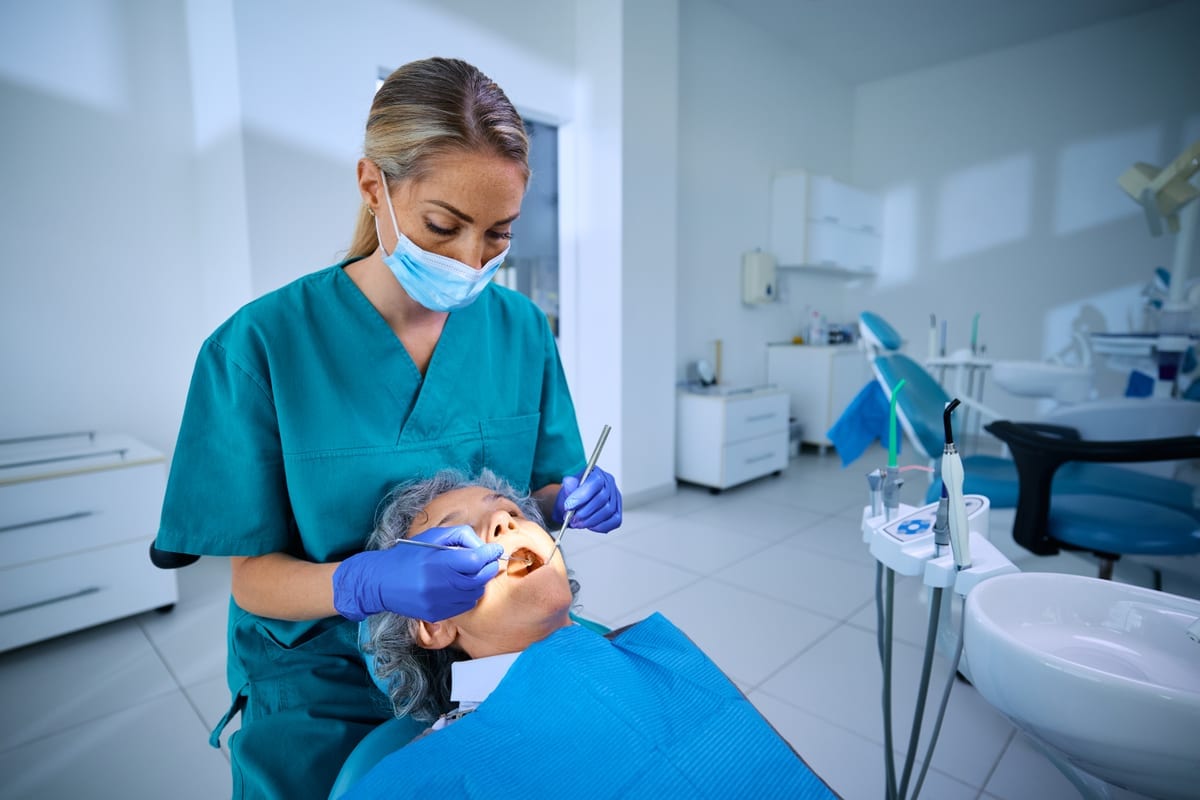
Patients who receive General Dentistry Sandalfoot Cove care regularly tend to enjoy longer implant lifespans. Routine checkups allow Dr. Gary Salamon to monitor implant health closely. Early detection of any issues can prevent small problems from becoming serious ones.
Key Factors That Shorten Dental Implant Lifespan
Not every implant lasts a lifetime. Certain habits and health conditions can significantly reduce implant longevity. Understanding these risks helps patients make smarter choices about their oral health.
Here are the most common factors that can shorten implant lifespan:
- Smoking or tobacco use — reduces blood flow and impairs healing around the implant
- Poor oral hygiene — allows bacteria to build up and attack the gum tissue supporting the implant
- Uncontrolled diabetes — slows healing and increases infection risk after implant placement
- Teeth grinding (bruxism) — places excessive pressure on the implant and crown
- Gum disease — can lead to bone loss around the implant, causing it to loosen or fail
- Skipping dental visits — means problems go undetected until they become serious
Many of these risk factors are manageable. Working closely with your dental team gives you the best chance of long-term implant success. Dr. Salamon helps Sandalfoot Cove patients create personalized care plans that address their unique risk factors.
What You Can Do to Make Dental Implants Last a Lifetime
The good news is that most patients have significant control over their implant longevity. Healthy habits make a measurable difference in how long implants last. Small daily actions protect your investment for decades to come.
Follow these proven tips to extend the life of your dental implants:
- Brush twice daily using a soft-bristled toothbrush around the implant area
- Floss daily or use an interdental brush to clean between teeth and around the implant
- Avoid hard foods that can crack the crown, like ice or hard candy
- Wear a night guard if you grind your teeth during sleep
- Quit smoking to improve circulation and promote long-term bone health
- Attend all scheduled checkups for professional cleanings and implant assessments
Teeth cleaning and dental checkups are not optional when you have implants. They are essential maintenance steps. Think of them the same way you would service a car — regular attention keeps everything running smoothly.
If you ever experience sudden pain, swelling, or looseness around an implant, seek care quickly. Prompt treatment through Emergency Dentistry Sandalfoot Cove can often save a failing implant before it is too late.
Which Types of Implants Tend to Last the Longest?
Not all implant solutions are identical in terms of longevity. The type of implant and restoration you choose also plays a role in lifespan. At Glades Dental Group, we offer several implant options suited to different needs.
Traditional single-tooth implants tend to have the longest documented track records. All-On-4 Implants and Full Mouth Implants are excellent for patients who need comprehensive restoration. These solutions replace entire arches and can last many years with proper maintenance.
Implant-Supported Dentures are another long-lasting option for patients who have experienced significant tooth loss. They are more stable than traditional dentures and protect the jawbone from further deterioration. Proper fit and regular adjustments help them last as long as possible.
Dental Crowns placed on implants are the component most likely to need eventual replacement. Choosing high-quality crown materials and caring for them daily extends their lifespan considerably. Dr. Salamon recommends the most appropriate materials based on each patient’s bite and lifestyle.
What Makes Glades Dental Group the Right Choice in Sandalfoot Cove
Choosing an experienced provider is one of the most important decisions in your implant journey. Proper placement technique directly affects how well an implant integrates with the jawbone. Dr. Gary Salamon brings years of experience to every implant case in the Boca Raton area.
At Glades Dental Group – Boca Raton, we take a thorough, patient-first approach. We evaluate bone density, gum health, and overall oral condition before recommending any implant procedure. This careful planning reduces complications and supports long-term success.
We also prioritize patient education at every step. An informed patient is more likely to follow through with the daily care habits that make implants last. Our team takes time to answer every question — just like the one that brought you here today.
Conclusion: Implants Can Last a Lifetime With the Right Care
So, do dental implants really last a lifetime in Sandalfoot Cove? The answer is yes — for many patients who commit to good habits and regular professional care. The implant post can truly be a lifelong investment in your smile, confidence, and oral health.
The key is understanding what supports longevity and what threatens it. Daily hygiene, routine checkups, and healthy lifestyle choices all work together. When combined with expert placement and quality materials, implants give patients the best possible chance at a permanent solution.
Dr. Gary Salamon and the team at Glades Dental Group are ready to help Sandalfoot Cove patients explore their implant options. Whether you are considering your first implant or want to protect an existing one, we are here to guide you. Book Now to schedule your appointment with our team.
Frequently Asked Questions
How long do dental implants typically last?
Dental implants can last 25 years or more with proper care. Many patients keep their implants for an entire lifetime. The implant post tends to be the most durable part, while the crown may need replacement after 10 to 15 years.
What is the biggest threat to dental implant longevity?
Gum disease and poor oral hygiene are the leading causes of implant failure. Smoking and uncontrolled diabetes also significantly increase the risk of complications. Addressing these risk factors early gives your implants the best chance of lasting long-term.
Are All-On-4 Implants as long-lasting as single-tooth implants?
All-On-4 Implants are designed to be a durable, long-term solution. With proper maintenance and regular dental visits, they can last many years. Their longevity depends on the same factors as single-tooth implants — hygiene, health, and professional care.
Do I still need to visit the dentist regularly after getting implants?
Yes, absolutely. Regular checkups are essential for monitoring implant health and catching early signs of problems. Professional cleanings remove bacteria that daily brushing can miss. Skipping visits is one of the most common reasons implants develop complications.
Can a failing dental implant be saved?
In some cases, yes. If caught early, treatments like deep cleaning, bone grafting, or adjustments can stabilize a struggling implant. Acting quickly at the first sign of pain or looseness gives the implant the best chance of recovery. Contact our office right away if you notice any changes around your implant.